
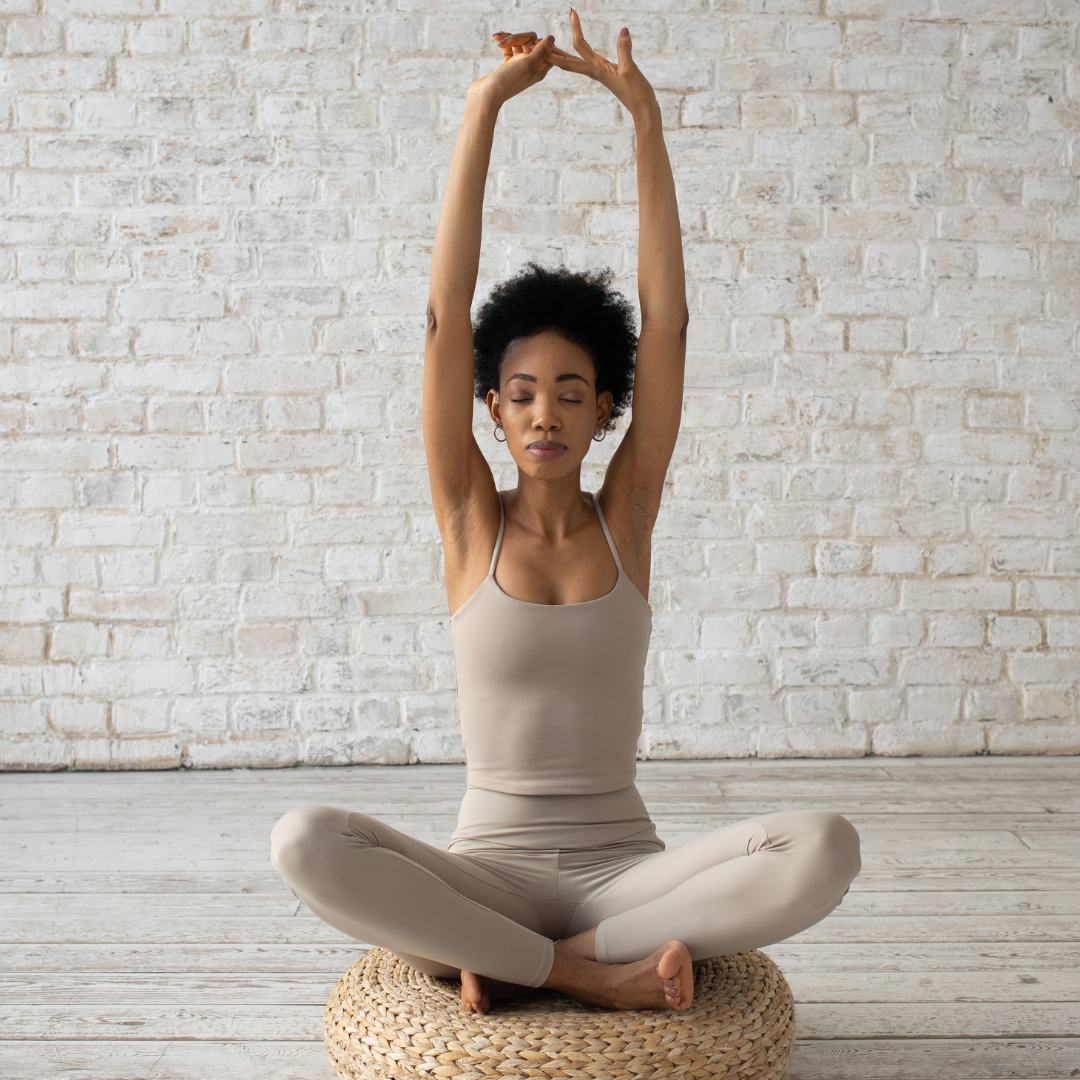
The curious seeker of yoga often begins with foundational questions: What is yoga? Who developed it? Why should one practice it? And are its benefits scientifically validated enough to trust this ancient discipline?
While proto-yogic practices can be traced back to archaeological findings from the Indus–Saraswati/Indus Valley Civilization (3000–1500 BCE) and philosophical references in the Vedas (1500–500 BCE), it was Sage Patanjali who gave yoga its first formal structure. Around 200 BCE, he codified the Eight-Limbed Path—Yama, Niyama, Asana, Pranayama, Pratyahara, Dharana, Dhyana, and Samadhi—creating a systematic framework for ethical living, physical discipline, and breath mastery.
In the post-classical era (500–1500 CE), yoga expanded with traditions like Hatha Yoga, which emphasized physical postures, purification techniques, and the awakening of subtle energy systems such as Kundalini. Centuries later, in the 19th century, Swami Vivekananda introduced Raja Yoga to the Western world, highlighting meditation, mind-training, and philosophical depth—laying the foundation for yoga’s global acceptance.
Another variation of Yoga, Ashtanga Vinyasa is part of the modern yoga renaissance from Sri T. Krishnamacharya, generally called, the father of modern yoga. Ashtanga Vinyasa Yoga is a dynamic, structured, physically demanding yoga system that links breath (ujjayi pranayama) with movement (vinyasa). It follows fixed sequences of postures practiced in a specific order and rhythm and is known for Strength-training, Flexibility, Heat production and Detoxification.
Yoga rose to prominence because, unlike many ancient practices, it continuously evolved—transforming from a purely spiritual discipline into a holistic mind–body science. Modern practitioners value yoga not only for its philosophical richness but also for its practicality, accessibility, and increasingly measurable health outcomes.
- Reduces stress and anxiety by lowering cortisol levels and improving nervous-system regulation.
- Improves cardiovascular health through better blood pressure, heart-rate variability, and circulation.
- Supports chronic pain management (lower back pain, arthritis, migraines) by improving mobility and reducing inflammation.
- Enhances mental health by improving mood, emotional regulation, and sleep quality.
- Balances the autonomic nervous system, shifting the body from fight-or-flight to rest-and-digest mode.
- Improves metabolic markers such as insulin sensitivity and lipid profiles—beneficial for diabetes and lifestyle disorders.
- Strengthens mind-body awareness, helping with mindful eating, emotional control, and resilience.
Why Yoga Matters Today
In an era marked by rising anxiety, sedentary lifestyles, burnout, and chronic illnesses, yoga offers an integrated solution that addresses physical health, emotional balance, cognitive clarity, and inner stability. It is now widely recommended by clinicians, therapists, and wellness experts as a complementary therapy for chronic pain, mental health challenges, lifestyle disease management, and overall well-being. From ancient philosophy to modern science, yoga continues to be relevant because it delivers what people seek most today—strength, calm, clarity, resilience, and a sustainable path to holistic health. Do any of these resonate with you—whether you're managing a health concern or simply seeking greater emotional, physical, and spiritual balance? If so, I invite you to join me in learning and practicing these beautiful asanas to support a healthier, more harmonious life.